
At InFormal Kitchen, we believe that choosing a wine isn’t a test of your knowledge of grape varieties and hillsides, but a way to make your food taste even more intense. Our kitchen relies on fresh, seasonal ingredients from trusted suppliers, and the wine’s only job is to highlight their natural character. Below you’ll find a few tried-and-tested pairings that our guests (and we) love the most.
Intensity and Structure: Beef in the Starring Role
Beef-based dishes require wines that can keep up with their weight and richness of flavor.
- Beef Wellington with potato gratin and pepper sauce: A complete dish, combining the tenderness of the tenderloin with the crunch of the pastry and a spicy finish. Look for red wines with a solid structure and clear tannins (like Cabernet Sauvignon or Malbec). The tannins will cut through the protein perfectly, while the wine’s peppery notes will boost the sauce’s aroma.
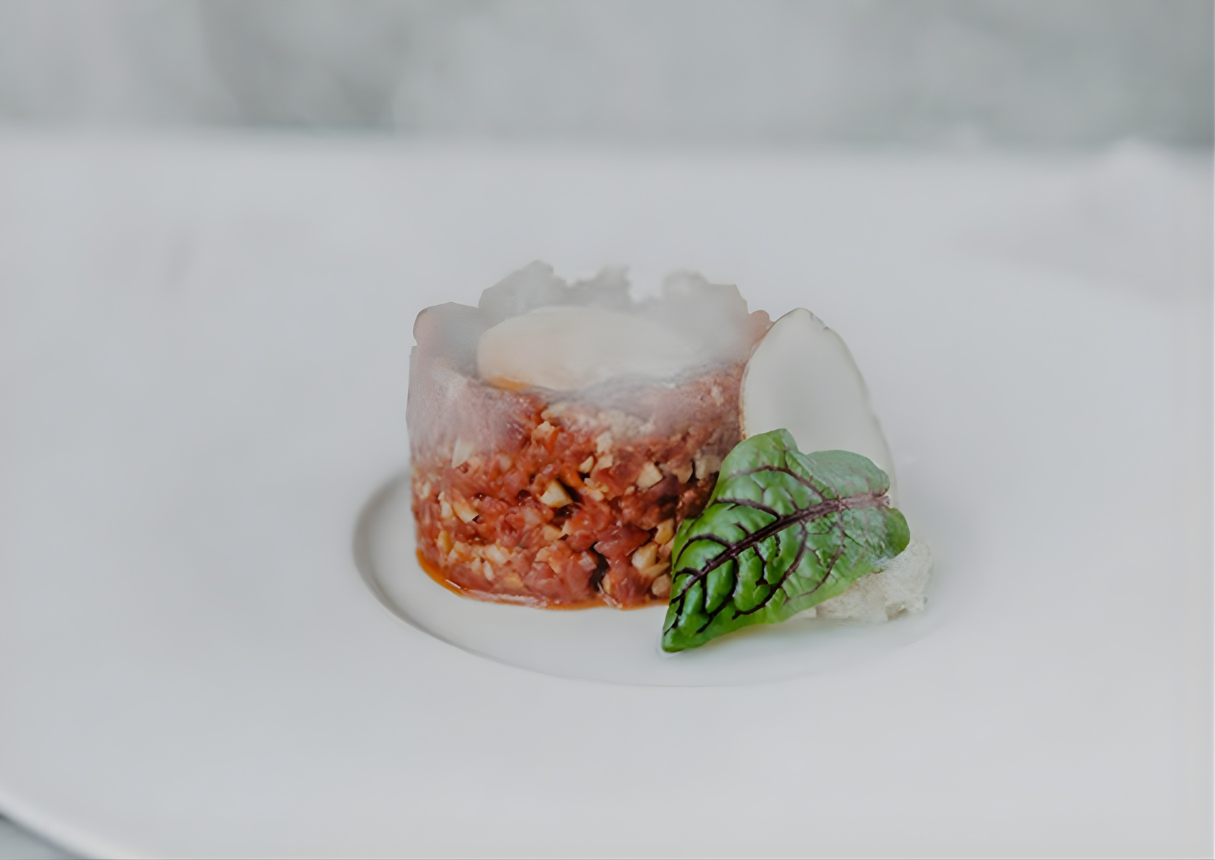
- Beef Tartare with shimeji mushrooms and herb mayo: Here we have a high dose of umami and a creamy texture. For this appetizer, we recommend lighter red wines (e.g., Pinot Noir), which won’t overwhelm the delicate meat, or oak-aged white wines whose structure can handle the herbal mayonnaise.
- Filet Mignon on lava with kale: Served in a butter emulsion with dill. This dish is elegant and clean in form, so the wine should also show class—a mature Merlot will be a great companion here, emphasizing the buttery character of the sides.
Freshness and Balance: Fish and Seafood
With fish and seafood, the key is acidity, which acts on the palate like a drop of lemon juice—refreshing and opening up the taste buds.
- Shrimp in wine-butter emulsion: A classic that calls for a white wine with high minerality. A Sauvignon Blanc with its citrus notes will perfectly balance the richness of the butter, making every bite of the herb toast as exciting as the first.
- Tuna Tartare with mango and wasabi: We have fruit sweetness, fatty fish, and spicy wasabi. This combination loves aromatic wines—a Riesling (especially one with a bit of residual sugar) will create a brilliant contrast to the heat of the wasabi and elevate the exotic mango.
- Norwegian Salmon on black rice with Hollandaise sauce: Hollandaise is velvety and satiating. We need a wine that “cleanses” the palate—a dry Chardonnay or an elegant Pinot Grigio will create a harmonious whole.
The Ingredient Matters: Mushrooms, Cheeses, and Truffles
Vegetarian dishes and pastas at InFormal Kitchen often rely on intense, earthy aromas.
- Gnocchi stuffed with porcini in a cream-truffle sauce: Truffle and porcini are dominant aromas. Such a dish needs a wine with forest and earthy notes. If you choose red, go for Barolo or a lighter Nebbiolo. If you prefer white—look for those with a fuller body that can handle the thick cream sauce.
- Salad with roasted goat cheese and beets: The goat note is distinct and salty, while the beet is earthy and sweet. A classic Sauvignon Blanc from the Loire Valley is the ideal choice—its acidity and grassy profile are a textbook (and the best) pairing for goat cheese.
A Sweet Finish: Desserts
The rule is simple: the dessert wine should be at least as sweet as the dessert itself.
- Chocolate Fondant with pistachio ice cream: Chocolate with high cocoa content needs fortified red wines (like Port). The nutty profile of the pistachio ice cream pairs beautifully with wines featuring notes of dried fruit.
- Pistachio Tiramisu: Light, creamy, and nutty. Instead of a heavy wine, try pairing it with an Italian Moscato d’Asti—its delicate bubbles and low alcohol content will make the dessert feel even lighter.
A tip from the team: Our wine list is just as dynamic as our seasonal menu. If you’re not sure about your choice, just ask your waiter—at InFormal Kitchen, we advise with passion, but without the unnecessary fuss.